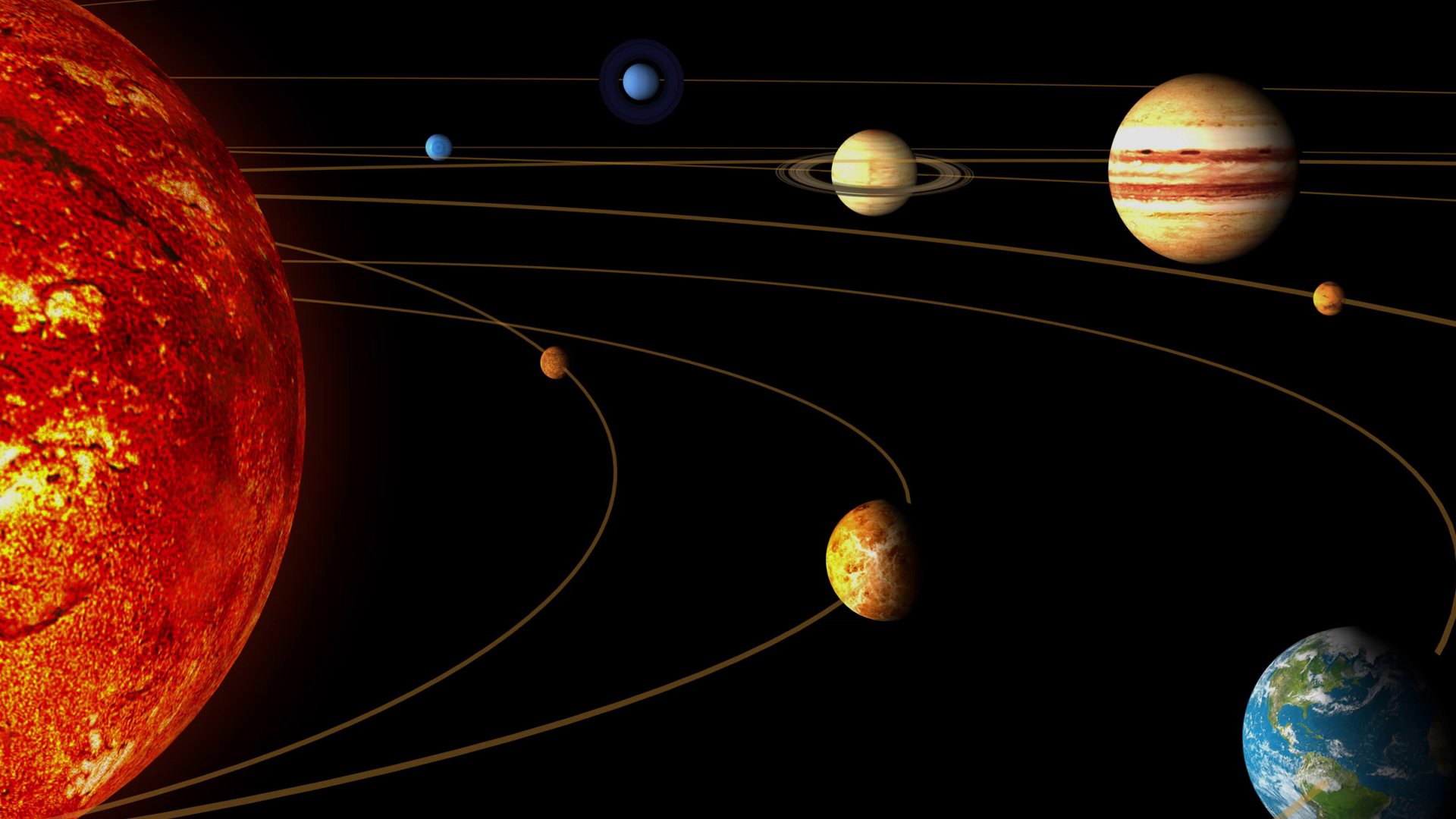
Who proposed the steady-state theory?
- Hermann Bondi
- Thomas Gold
- Sir James Jeans
- Fred Hoyle
×
The steady-state theory was first proposed by Sir James Jeans in the 1920s, but it was reformulated by Fred Hoyle, Thomas Gold, and Hermann Bondi in 1948.
Which Act abolished the administration system in India?
- Pitt’s India Act of 1784
- Government of India Act of 1858
- Charter Act of 1913
- Regulating Act of 1773
×
The Regulating Act of 1773 abolished the administration system in India. This was the first step taken by the British government to control and regulate the affairs of the East India Company in India, as well as the first time the Company's political and administrative functions were recognized.
Constitution day of India is celebrated on
- 26th November 1949
- 26th November 1948
- 26th January 1950
- 26th November 1946
×
The Constitution of India was adopted by the Constituent Assembly on 26th November 1949 and came into force on 26th January, 1950.
Why does a star produce its own light and heat?
- Nuclear fission
- Nuclear fusion
- Chemical reaction
- None
×
Stars are huge celestial bodies made mostly of hydrogen and helium. Heat and light energy produced by the stars are due to the fusion reaction of hydrogen atoms.
What Are Constellations?
- A group of stars that appears to form a pattern or picture
- Small chunks of ice and rock come from the outer edge of the solar system
- Collection of billions of stars
- Small irregularly shaped rocks made up of metal or minerals
×
A constellation is an area on the celestial sphere in which a group of visible stars forms a perceived pattern or outline.